

How Cannabis Liquid THC Is Made Into Edibles and Tinctures
Traditionally, making edibles with cannabis required decarboxylation as well as infusion of dried flowers. Liquid THC makes it easier and smooths out the process of inhaling cannabis.
Add your decarboxylated plant matter in the jar of glass and fill it with alcohol, using the cold or room temperature method. Close the jar and store it in a dark location for 30 to 60 days shake the mixture every day.
Benefits
Cannabis oils and tinctures offer patients a discrete, quick-acting method of taking cannabis. Cannabis oil and tinctures, unlike smoking cannabis flowers or vaping, which creates smoke or smelly fumes, are ingested sublingually and then enter the bloodstream via the endocannabinoid, which is then distributed throughout your body. Cannabis tinctures can be mixed with food, drinks or even taken in capsules. It is also easy to alter the dose by reducing or increasing the quantity of drops. Additionally, cannabis tinctures can be stored in a tiny dropper bottle that can be carried in your pocket or purse without causing unpleasant odors.
Research has shown that cannabinoids could play an impact on the treatment of various health ailments. These include chronic pain, chemotherapy induced nausea and vomiting (including anorexia) as well as HIV-related weight loss and anorexia as well as irritable intestinal syndrome, epilepsy and spasticity.
There are a variety of medical marijuana products, such as gummies, topical creams, and edibles that contain THC. These are usually regulated and tested, so people can be assured that they are using high-quality medicinal cannabis. More research is needed however, to determine the effectiveness and safety of cannabis products in treating certain health conditions.
A cannabis-based medicine, Nabilone, is available by prescription as a remedy for cancer related nausea and sickness. Sativex is another cannabis-based medicine that is approved in the UK to treat multiple sclerosis spasticity not adequately controlled by other medications.
Research suggests that moderate to low doses of THC can help alleviate pain, however higher concentrations of THC can cause anxiety, paranoia, or psychosis. It is essential for people to know how THC affects them, and to stay clear of products that contain high levels of THC. This can be done by consulting a qualified health expert and/or reviewing the label of the product prior to purchasing. Some medications may be adversely affected by high-THC concentrations. This is especially true for antipsychotics, antidepressants and sedatives. This can result in increased side-effects or reduced effectiveness.
Ingredients
Cannabis is a complex, multi-component plant that contains a variety substances, including psychoactive THC. It also has terpenes which add to the overall flavor and therapeutic effects of the drug. A THC drink infused with citrus can help reduce pain and inflammation. The addition of sweeteners, herbs, spices, and other ingredients can create a wide range of edible drinks with different effects and flavors. Food producers must adhere to the laws and regulations that govern all food products including those that contain cannabis or components derived from the plant.
To make a THC-infused liquid, you need to use high-quality ingredients and extracts. Search for a product free of pesticides, mold and other contaminants. Also, be sure to make sure that the product you choose has been tested and certified by a lab. The process of making liquid THC is done by using a CO2 extraction method that is performed in a controlled setting and can yield extremely potent results.
You can also decarboxylate cannabis at home by placing it in an freezer. To do this, put your raw cannabis in a zip-loc container and leave it in the freezer for several hours. This method of decarboxylation keeps the flavor, aroma, and terpenes from the plant. Terpenes are the ones responsible for the medicinal properties. The result is a highly-potent and versatile ingredient that can be used in both sweet and savory recipes.
You can also infuse alcohol using cannabis. Pour this, mix one ounce of decarboxylated marijuana and a quart alcohol in an old Mason jar. Seal the container and shake it every two to three hours. This method of infusion allows you to modify the amount of THC you attain and is ideal to make tinctures.
A tincture is a concentrated liquid form of cannabis that can be added to beverages or vaporized in vapers. A tincture typically contains a very high concentration of delta-9-tetrahydrocannabinol (THC) and can be very effective, especially when it is used on a daily basis.
Cannabis juice or edibles are a different well-known type of THC liquid. These can be made in the food processor or blender at home and contain more THC than to chocolate brownies or gummies. But, they're not as potent as a tincture.
Preparation
Raw marijuana needs to be decarboxylated prior to it can be transformed into cannabis oil. This process changes the molecular structure of the cannabinoid to allow it to be consumed and boosts its potency. Once cannabis has been decarboxylated it can be infused with fats like coconut oil or olive oil. This type of marijuana infusion is used in a variety of ways, including as vaporizers and edibles. When selecting a business to produce liquid THC be sure to check their reviews and certifications. It is important to ensure that they are licensed and reputable in order to ensure that the product is safe and of high-quality.
Traditionally, cannabis is decarboxylated in an oven over a low temperature for up to three hours. This method can, however ruin the flavor and create bitterness. It is possible to avoid this issue using a double boiler by heating the oil and water separately. This allows you to regulate the temperature of oil so that it doesn't overheat or burn.
When making cannabis-infused oils, it's important to choose healthy fats such as coconut oil or olive oil. The oil helps to bind the cannabis and help it dissolve more easily in the body. In addition the fats found in these oils provide a myriad of health benefits making them an excellent option for making medicinal edibles.
To make an oil that is stable when infused with cannabis, it is important to be aware of the ratio of extract/cosolvent and its cannabinoid content. This ratio determines the way that the final product vaporizes. A 1:1 oil, for example, will have the same vaporization characteristics as an extract/cosolvent mix of 50.
Depending on the desired concentration of cannabinoids desired, different extraction methods are available. For example the use of polar solvents like petroleum ether and chloroform are able to extract water-soluble substances from the plant. Non-polar solvents such as hexane, ethanol and isopropanol can be used to isolate the resinoids from plant material. The liquid extracts obtained can be further purified by distillation on a short path to produce the highest quality THC liquid.
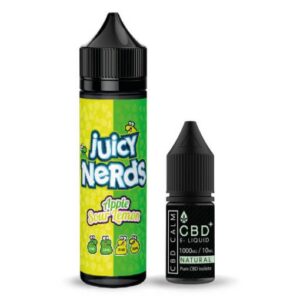
Mix liquid THC into any recipe to make delicious, med-infused treats. It is much easier to use than dried flower and can save time, effort and clean-up. Infused cannabis is also easy to store and transport. Infused oils are also simple to add to a vaporizer and use for immediate inhalation.
Stores
Infused oils, tinctures, and other cannabis products have a long shelf-life when stored properly. For short-term storage, a dark, cool place like a cabinet or pantry will be sufficient. For long-term storage the right container will shield your extracts from humidity and air which can affect their potency, weight and aroma.
They are popular because they're easy to clean, airtight and provide excellent security. They are stackable and easy to clean between batches of extracts. These containers are available in various sizes to accommodate large and small amounts of concentrates. Some containers can be placed in a freezer or refrigerator to protect them from unfavorable conditions.
If you're planning on storing the oils you've infused for a prolonged period of time then a freezer or refrigerator could be the best choice. Depending on the type of oil you're using, some oils are more prone to heat and may degrade if exposed over a long period of time. Cooking infused oils can destroy some of the aromatic compounds and terpenes.
Tinctures made with glycerins are more perishable than distillations of pure alcohol and will degrade more quickly. cannabis vape liquid or freezer can slow down this degradation and will keep the tincture longer.
EVault's airtight stainless steel containers and vacuum-sealer are a popular option for long-term and short-term storage. These containers will protect your concentrates from being exposed to light, air and humidity that can cause them to degrade. These containers can be used on their own or combined with an Boveda humidity pack for even better results.
Many people believe that rosin levels will peak between three and 18 months of curing. During this time, the levels of THC and lipids of the plant will reach their peak. If you don't intend to use your rosin at this time the best method to keep it in good condition is to put it in an airtight container, and then store it at room temperature. If you do this, it's important to let the rosin adjust to room temperature before smoking it. You might end up with a nasty sticky dab that's less potent.